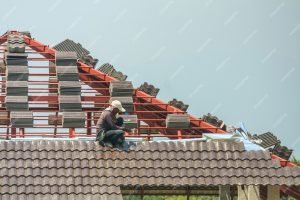
Florida, known for its sunny weather and beautiful coastlines, also poses unique challenges for homeowners, especially when it comes to Roof Installation Florida. The state’s weather can range from intense sun and heat to torrential rains and hurricanes. Therefore, a robust and well-installed roof is essential for the safety and longevity of homes. This article delves into the intricacies of roof installation in Florida, providing homeowners with essential information to make informed decisions.
Understanding Florida’s Unique Climate
Florida’s climate is a critical factor in roof installation. The state experiences a humid subtropical climate in the north and central parts and a tropical climate in the southern region. This climate brings a combination of high temperatures, high humidity, heavy rainfall, and the threat of hurricanes. These elements can significantly impact the longevity and performance of roofing materials.
High Temperatures and UV Exposure
Florida’s high temperatures and consistent sun exposure can cause roofing materials to degrade faster than in cooler climates. UV radiation can break down the chemical bonds in roofing materials, leading to cracks and other damage. This is why selecting UV-resistant materials is crucial for roof longevity in Florida.
Heavy Rainfall and Humidity
Florida’s rainy season, typically from June to September, brings heavy rains that can challenge the integrity of a roof. High humidity levels can also promote the growth of mold and mildew, which can compromise the roof’s structure and lead to health issues for the home’s inhabitants. Proper installation and ventilation are key to preventing moisture-related problems.
Hurricane Season
One of the most significant considerations for Florida homeowners is the threat of hurricanes. The hurricane season, which runs from June to November, can bring severe winds and rain that test the strength of any roof. Roofs must be designed and installed to withstand these extreme conditions to protect the home and its occupants.
Choosing the Right Roofing Materials
Selecting the right materials is crucial for roof installation in Florida. Homeowners need materials that can withstand high temperatures, heavy rain, and strong winds. Here are some popular options:
Asphalt Shingles
Asphalt shingles are a common choice due to their affordability and ease of installation. However, not all asphalt shingles are created equal. For Florida homes, it’s essential to choose shingles that are rated for high winds and have a high impact resistance. Look for shingles that meet or exceed the Florida Building Code requirements.
Metal Roofing
Metal roofing is becoming increasingly popular in Florida due to its durability and longevity. Metal roofs can withstand high winds, are resistant to fire, and reflect solar radiant heat, which can help reduce cooling costs. They are also less prone to mold and mildew growth, making them a suitable choice for the humid Florida climate.
Tile Roofing
Tile roofing, including clay and concrete tiles, is another excellent option for Florida homes. Tiles are heavy, which makes them resistant to high winds, and they offer a long lifespan. Additionally, tile roofing provides excellent thermal resistance, helping to keep homes cooler in the hot Florida sun. However, the weight of tile roofing requires a strong structural foundation, so it’s important to ensure your home can support it.
Flat Roofing Systems
Flat roofs are common in commercial buildings and some residential homes in Florida. These systems often use materials like modified bitumen, TPO (thermoplastic olefin), or EPDM (ethylene propylene diene monomer) rubber. Proper installation and regular maintenance are essential for flat roofs to prevent water pooling and leaks.
The Importance of Professional Installation
Proper roof installation is crucial for ensuring the roof’s performance and longevity. In Florida, it is especially important to hire a licensed and experienced roofing contractor who understands the state’s specific building codes and environmental challenges.
Licensing and Insurance
Ensure your roofing contractor is licensed by the Florida Department of Business and Professional Regulation. A licensed contractor has met the necessary requirements and is more likely to provide quality work. Additionally, verify that the contractor carries adequate insurance, including worker’s compensation and liability insurance, to protect yourself from potential liabilities.
Understanding Building Codes
Florida has stringent building codes designed to ensure structures can withstand the state’s harsh weather conditions. A knowledgeable roofing contractor will be familiar with these codes and ensure your roof installation complies with all regulations. This includes using the appropriate materials, installation techniques, and securing necessary permits.
Quality Workmanship
The quality of workmanship can significantly impact the lifespan and performance of your roof. An experienced contractor will follow best practices for roof installation, including proper underlayment, flashing, and ventilation. They will also ensure all materials are installed correctly and securely to prevent issues like leaks or wind damage.
Maintenance and Inspection
Once your new roof is installed, regular maintenance and inspections are crucial to keep it in optimal condition. Here are some tips for maintaining your Florida roof:
Regular Inspections
Conduct regular roof inspections, especially after major storms or hurricanes. Look for signs of damage, such as missing or damaged shingles, tiles, or metal panels. Check for leaks, mold, or mildew inside your home, as these can indicate roofing issues.
Clean Gutters and Downspouts
Clogged gutters and downspouts can lead to water buildup and roof damage. Regularly clean your gutters to ensure proper drainage and prevent water from backing up onto your roof.
Remove Debris
Remove debris such as leaves, branches, and moss from your roof. Debris can trap moisture, leading to mold growth and roof deterioration. Trim overhanging tree branches to prevent them from damaging your roof during storms.
Address Minor Repairs Promptly
Address minor repairs promptly to prevent them from becoming major issues. Fixing a small leak or replacing a few damaged shingles can prevent more extensive damage and costly repairs in the future.
Energy Efficiency Considerations
In addition to durability and weather resistance, Florida homeowners should consider the energy efficiency of their roofing materials. An energy-efficient roof can help reduce cooling costs and improve the overall comfort of your home.
Reflective Roofing Materials
Reflective roofing materials, such as metal or specially coated asphalt shingles, can reflect more of the sun’s rays, reducing the amount of heat absorbed by your home. This can help lower cooling costs and reduce the strain on your air conditioning system.
Insulation and Ventilation
Proper insulation and ventilation are key to maintaining an energy-efficient home. Adequate insulation can prevent heat transfer into your home, while proper ventilation allows hot air to escape from your attic. This combination helps keep your home cooler and reduces energy consumption.
The Role of Warranties
When investing in a new roof, it’s essential to understand the warranties that come with your roofing materials and installation. Warranties provide protection and peace of mind, ensuring you are covered in case of defects or issues.
Manufacturer’s Warranty
Most roofing materials come with a manufacturer’s warranty that covers defects in the materials. These warranties can vary in length and coverage, so it’s important to read the terms and understand what is included. Some warranties may also offer enhanced coverage for high-wind or impact resistance.
Workmanship Warranty
In addition to the manufacturer’s warranty, reputable roofing contractors often provide a workmanship warranty. This warranty covers issues related to the installation process. Ensure you understand the terms and duration of the workmanship warranty provided by your contractor.
Conclusion:
Roof installation in Florida requires careful consideration of the state’s unique climate challenges, from intense UV exposure and heavy rains to hurricane-force winds. By selecting the right materials, hiring a licensed and experienced contractor, and performing regular maintenance, homeowners can ensure their roofs provide long-lasting protection and energy efficiency.
Investing in a quality roof not only safeguards your home and belongings but also enhances your property’s value and curb appeal. With the right approach, you can enjoy peace of mind knowing your home is well-protected against Florida’s diverse weather conditions. Whether you’re building a new home or replacing an existing roof, make informed decisions to ensure your roof installation meets the highest standards of durability and performance.