Roof installation in Florida is not just about aesthetics; it’s about protecting your home from the state’s unpredictable weather. From hurricanes to scorching sun, having a robust and reliable roof is essential. If you’re in Florida and planning a roof installation florida, this guide will help you understand the key considerations, materials, and techniques necessary to ensure your roof stands the test of time.
Why Roof Installation in Florida Requires Special Considerations
In Florida, roofs endure a variety of extreme weather conditions, including tropical storms, high winds, intense UV rays, and heavy rainfall. These elements can wear down even the strongest materials if not chosen or installed correctly. That’s why roofing in Florida requires durability, energy efficiency, and weather resistance as top priorities.
Wind Resistance: Florida’s coastal areas are particularly prone to hurricanes, which means your roof needs to be installed with materials that are resistant to high winds. The Florida Building Code mandates strict guidelines for roof installations to ensure they can withstand winds of up to 150 mph or more.
Heat Reflection: With the intense sun, choosing a reflective roofing material that deflects heat can significantly reduce cooling costs. Energy-efficient roofing helps to lower your home’s overall temperature, reducing the strain on your HVAC system.
Moisture Protection: The frequent rain in Florida means moisture protection is a critical factor. Water-resistant underlayment and materials that are less prone to mold and mildew are essential for a long-lasting roof in this environment.
Top Roofing Materials for Florida Homes
When it comes to selecting the right roofing material for your Florida home, you’ll want to focus on durability, weather resistance, and energy efficiency. Here are some of the best roofing materials commonly used in Florida:
Asphalt Shingles
Asphalt shingles are the most popular roofing material in the United States, and for good reason. They are cost-effective, relatively easy to install, and come in a wide range of styles and colors. However, not all asphalt shingles are created equal. In Florida, it’s best to opt for impact-resistant shingles that can withstand high winds and flying debris during storms. Look for shingles with a Class 4 impact rating, which ensures the highest level of durability.
Metal Roofing
Metal roofing is an increasingly popular choice in Florida due to its exceptional durability and energy efficiency. Metal roofs can reflect heat, keeping homes cooler and reducing energy bills. Additionally, they are highly resistant to wind and moisture, making them an excellent choice for Florida’s hurricane-prone areas. A metal roof can last 50 years or more, with minimal maintenance.
Tile Roofing
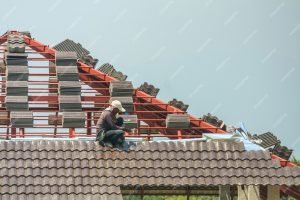
Tile roofing, especially clay and concrete tiles, is commonly seen in Florida homes due to its Mediterranean aesthetic and resilience. Tile roofs are known for their ability to resist extreme weather conditions and can last up to 100 years with proper maintenance. They are also fire-resistant and offer excellent insulation, keeping homes cooler during the hot Florida summers.
However, it’s essential to ensure that your home’s structure can support the weight of tile roofing, as it is significantly heavier than other materials.
Flat Roofs with Membrane Systems
For flat or low-slope roofs, which are common in some parts of Florida, membrane roofing systems such as TPO (Thermoplastic Olefin) or EPDM (Ethylene Propylene Diene Monomer) are ideal. These roofing systems offer excellent waterproofing, UV resistance, and energy efficiency. Membrane roofs are also lightweight and flexible, making them suitable for homes with minimal pitch.
Common Roof Installation Mistakes to Avoid
While roof installation may seem straightforward, there are several mistakes that can compromise the longevity and effectiveness of your roof. Avoiding these common pitfalls will save you time, money, and stress down the road.
- Improper Ventilation: Without proper ventilation, moisture can accumulate in the attic, leading to mold growth and roof deterioration. Ensure your roof has adequate vents to allow airflow.
- Using Incorrect Fasteners: Fasteners that aren’t corrosion-resistant can rust over time, weakening the roof’s structure. Always use galvanized or stainless steel fasteners to ensure durability.
- Skipping the Underlayment: The underlayment acts as a second line of defense against moisture. Skipping this step or using substandard materials can result in leaks and water damage.
Cost Considerations for Roof Installation in Florida
The cost of roof installation in Florida depends on several factors, including the type of material, the size of the roof, and the complexity of the installation. On average, the cost ranges from $7,000 to $30,000 depending on the material and labor involved. Metal roofs and tile roofs tend to be on the higher end of the spectrum due to their durability and longevity, while asphalt shingles are more affordable but may need more frequent replacement.
Conclusion:
Investing in a high-quality roof is essential for protecting your Florida home from the state’s unique weather challenges. Whether you choose asphalt shingles, metal roofing, or tiles, it’s crucial to work with a reputable roofing contractor who understands the local building codes and has experience with Florida’s weather conditions. A properly installed roof will provide you with peace of mind and long-lasting protection.