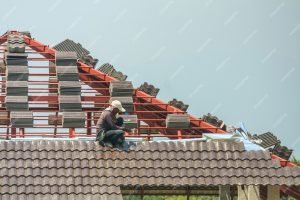
A roof installation is one of the most important investments for your home, providing essential protection against the elements and ensuring a safe, comfortable environment. Whether you’re installing a new roof or replacing an old one, understanding the steps, materials, and costs involved is key to making informed decisions and maximizing your investment.
What to Consider Before Roof Installation
Choosing the Right Roofing Material
Selecting the best material for your roof installation is crucial for durability, cost, and aesthetic appeal. Here are some popular options:
Asphalt Shingles: Known for affordability and ease of installation, asphalt shingles are a popular choice among homeowners. They typically last 15–30 years.
Metal Roofing: A more durable option, metal roofing can last over 50 years with minimal maintenance and offers high resistance to harsh weather conditions.
Slate Roofing: If you’re looking for luxury and durability, slate roofing is an excellent choice, with a lifespan that can exceed 100 years.
Clay and Concrete Tiles: These materials provide unique aesthetics and durability, ideal for warmer climates due to their ability to withstand high temperatures.
Wood Shingles: Often used for a more rustic look, wood shingles are durable but require maintenance to prevent issues like rot or insect infestation.
Evaluating Your Roof’s Slope and Structure
The slope, or pitch, of your roof, significantly impacts the type of roofing material best suited for your home. Low-slope roofs are more prone to leaks, so materials like metal or rolled roofing work well, while steep-slope roofs allow for various options, including asphalt and tile shingles.
Considering Local Climate
The climate where you live will affect the durability and effectiveness of your roofing materials. Homes in coastal areas, for instance, should consider materials resistant to salt corrosion, while those in hot climates may benefit from energy-efficient options like reflective metal roofs.
Steps in Roof Installation
Roof Inspection and Measurement
Before the installation, it’s essential to conduct a thorough inspection and take precise measurements to calculate the materials needed. This step ensures that your roof’s structure can support the new materials, avoiding structural issues down the line.
Removing Old Roofing Materials
In most cases, the old roof needs to be removed to create a stable foundation for the new installation. This involves stripping away existing shingles, underlayment, and any damaged wood decking. Proper disposal of these materials is critical, so it’s often best handled by a professional contractor.
Preparing the Roof Deck
The roof deck forms the base of your roofing system, providing stability and support. After removing the old materials, inspect the deck for signs of rot, damage, or weakness, as these must be repaired before laying the new roofing materials.
Installing the Underlayment
A high-quality underlayment acts as a moisture barrier between the roof deck and shingles. Common underlayment materials include felt paper and synthetic underlayment, each providing different levels of water resistance and durability. This step is crucial for preventing leaks and adding an extra layer of insulation.
Flashing Installation
Flashing is installed around areas susceptible to leaks, such as chimneys, skylights, and vents. Made from materials like aluminum or galvanized steel, flashing helps direct water away from these vulnerable spots, preventing water damage and enhancing the roof’s longevity.
Laying Down the Shingles
Shingles, tiles, or panels are installed in a staggered pattern, creating a barrier against water intrusion. This step requires precision and care, as improperly placed shingles can lead to leaks and structural damage.
Ridge Vent Installation
The ridge vent, located at the peak of the roof, allows hot air to escape from the attic. This improves energy efficiency by reducing the need for excessive cooling, prolonging the life of your roof, and preventing moisture buildup.
Cost Factors in Roof Installation
Material Costs
The choice of material is one of the largest factors impacting cost. Asphalt shingles are among the most affordable, while metal, tile, and slate can increase the budget significantly due to their durability and longevity.
Labor Costs
Labor typically makes up about 40%–60% of the total roof installation cost, varying by location, contractor expertise, and complexity of the installation. Specialized materials like slate or metal often require skilled labor, which can raise the price.
Roof Size and Shape
The larger and more complex your roof, the higher the installation cost will be. Roofs with unique shapes or many angles require additional materials and labor, driving up the expense.
Additional Features
Features such as skylights, chimneys, or solar panels add to the complexity and cost of the project, as they require special accommodations like flashing and custom fitting to ensure a waterproof seal.
Maintaining Your Roof After Installation
Proper maintenance helps extend the life of your roof, safeguarding your investment. Here are some key maintenance steps:
Regular Inspections: Conduct seasonal inspections to identify and address minor issues before they escalate.
Clean Gutters and Downspouts: Clear debris from gutters to prevent water buildup, which can damage the roof over time.
Trim Overhanging Branches: Trees near the roof can cause damage during storms, so keep branches trimmed back to avoid scratching or puncturing shingles.
Remove Moss and Algae: Moss and algae growth can retain moisture, causing premature aging of roofing materials.
Signs It’s Time for a Roof Replacement
Despite your best efforts at maintenance, every roof has a lifespan. Here are some signs that it may be time for a new roof installation:
Age of Roof: Asphalt shingles typically last 15–30 years, while metal and slate can last over 50 years. If your roof is approaching its lifespan, consider a replacement.
Shingle Damage: Curling, cracked, or missing shingles are signs of wear that compromise the roof’s protective function.
Leaking and Water Damage: Frequent leaks, water stains on ceilings, or mold growth in the attic indicate potential roofing issues that may require a replacement.
Sagging Roof Deck: A sagging roof deck points to underlying structural problems that may necessitate a complete replacement.