When it comes to roof installation in Florida, the unique weather patterns and environmental factors make it essential to choose the right materials, installation techniques, and contractor expertise. Whether you’re building a new home or replacing an old roof, understanding the nuances of roofing in Florida can protect your home, enhance energy efficiency, and increase property value. In this guide, we’ll explore the most effective strategies for a successful roof installation tailored to Florida’s climate.
Understanding Florida’s Climate and Its Impact on Roofing
Florida’s climate presents unique challenges for roofs, especially with high humidity, heavy rains, strong winds, and the potential for hurricanes. These weather patterns demand roofing solutions that can withstand high moisture levels, resist strong winds, and offer durability in the face of year-round heat and sun exposure. Here are a few key factors to consider:
Moisture Resistance: With regular rain and high humidity, roofs in Florida must be highly resistant to moisture. Materials like metal and concrete tiles are ideal for their resistance to water damage.
Wind Resistance: Florida building codes require roofs to be designed for hurricane-level winds. This necessitates specific installation techniques, such as additional fasteners and bracing, to prevent wind uplift.
UV Resistance: The sun’s UV rays can degrade materials over time. Opt for materials that resist UV damage, such as certain composite shingles and metal roofing options.
Choosing the Right Roofing Material for Florida Homes
Asphalt shingles: Asphalt shingles are a popular choice due to their affordability and versatility. However, in Florida, not all asphalt shingles are created equal. High-quality architectural shingles are more resistant to wind damage than standard 3-tab shingles, and they often come with wind ratings up to 130 mph, which is crucial for hurricane-prone areas.
Metal Roofing: Metal roofing is one of the best choices for Florida homes. It’s lightweight, durable, and can withstand high winds and heavy rains. Metal roofs have a long lifespan of up to 50 years, making them a cost-effective option over time. Additionally, metal roofs are reflective, helping to reduce heat absorption and lowering cooling costs during the hot summer months.
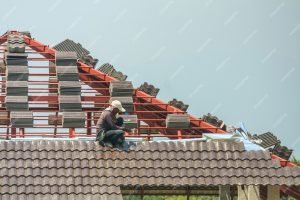
Clay and Concrete Tiles: Clay and concrete tiles are highly durable and well-suited for Florida’s climate. They offer excellent resistance to moisture, UV rays, and strong winds. Concrete tiles, in particular, provide the added benefit of being fire-resistant and energy-efficient. However, due to their weight, these materials may require additional structural support during installation.
Slate Roofing; While less common, slate roofing is incredibly durable and can last over a century with proper maintenance. Slate’s natural appearance makes it an attractive choice, and it offers excellent resistance to both moisture and UV rays. However, slate is one of the heaviest roofing materials, so be sure to consult with a structural engineer to determine if your home can support its weight.
Synthetic Roofing Materials: Newer synthetic materials, such as polymer and rubber composite tiles, mimic the appearance of traditional materials like slate or wood but offer enhanced durability. These materials are lightweight, resistant to impact, and are ideal for Florida’s challenging weather conditions.
Key Considerations for Roof Installation in Florida
Proper Ventilation: Effective ventilation is crucial for any roof installation in Florida. Poor ventilation can lead to heat buildup in the attic, which can damage roofing materials and increase energy costs. Ensure that your roof has adequate ridge vents, soffit vents, and attic fans to maintain airflow.
Waterproofing and Underlayment; A high-quality underlayment is a critical component in Florida roofs. Underlayment acts as a secondary water barrier, protecting the home if the main roofing material is compromised. In areas with high moisture, synthetic underlayments are recommended over traditional felt as they are more durable and water-resistant.
Energy Efficiency: Choosing materials with high solar reflectance and thermal emittance can help keep homes cooler, reducing energy costs. Many roofing options today come with cool roof coatings that reflect more sunlight and reduce heat absorption.
Hiring a Qualified Florida Roofing Contractor
Importance of Licensing and Certification
In Florida, roofing contractors must be licensed by the state. Look for contractors who hold state-issued licenses and have certifications from reputable roofing material manufacturers. Certifications demonstrate that the contractor is trained in specific installation techniques, ensuring that your roof meets both manufacturer and code requirements.
Insurance and Warranty Considerations
Ensure that your contractor carries general liability insurance and workers’ compensation. Roofing is inherently risky, and insurance protects you from potential liabilities. Additionally, inquire about both workmanship and material warranties. Reliable contractors should offer a minimum 10-year workmanship warranty and ensure that material warranties cover Florida’s challenging climate conditions.
Checking Reviews and References
A reputable roofing contractor will have a portfolio of satisfied customers. Take the time to read reviews and ask for references. Word-of-mouth recommendations and online platforms like Google My Business and Yelp are valuable resources to gauge a contractor’s reliability and workmanship quality.
Florida Building Codes for Roof Installation
Wind Mitigation Standards
Florida’s building codes are among the most stringent in the nation due to hurricane risks. Roof installations must comply with wind mitigation standards, which include using hurricane straps, clips, or anchors to secure the roof structure to the walls.
Secondary Water Barriers
A secondary water barrier is a code requirement in many parts of Florida, offering an additional layer of protection. This barrier, often in the form of peel-and-stick underlayment, provides critical protection against water intrusion during storms.
Maintaining Your Florida Roof for Longevity
Once your roof is installed, proper maintenance is essential for extending its lifespan. Here are a few maintenance tips:
Routine Inspections: Have a professional inspect your roof at least once a year, or after major storms. This helps identify and repair minor issues before they escalate.
Clear Debris: Leaves, branches, and other debris can clog gutters and downspouts, causing water to back up and damage roofing materials.
Trim Nearby Trees: Overhanging branches can scrape against roofing materials during high winds. Trim branches to prevent unnecessary wear on your roof.
Repair Minor Damage Promptly: Small cracks or missing shingles should be repaired immediately to prevent further damage and water infiltration.