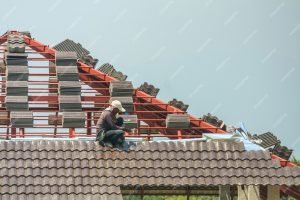
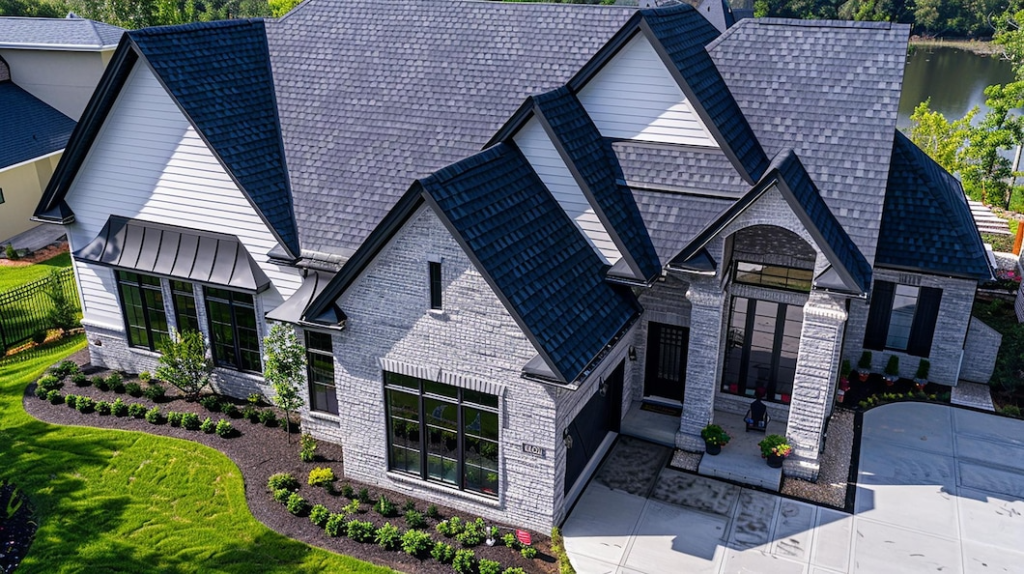
Roof installation is a significant undertaking that requires careful planning, attention to detail, and knowledge of materials and techniques. Whether you’re a seasoned DIY enthusiast or a beginner looking to tackle your first roof replacement project, this guide will walk you through the essential steps, considerations, and best practices to achieve a successful roof installation. The process can be simplified when you break it down into manageable stages, and with the right information at your disposal, you can confidently approach the task ahead. West Florida Roofing is here to support you every step of the way.
Understanding the Importance of Proper Roof Installation
A well-installed roof protects your home from the elements, enhances energy efficiency, and boosts your home’s curb appeal. It is often said that a roof is a home’s most important feature, and with good reason: It plays a crucial role in protecting your family and belongings from rain, wind, sun, and snow. When considering DIY roof installation, understanding the significance of proper installation cannot be overstated. Improperly installed roofs can lead to leaks, structural damage, and significant repair costs down the line. Therefore, it is essential to invest the time and effort necessary to ensure a high-quality roof installation.
Furthermore, ensuring correct installation will not only prolong the lifespan of your roof but also maintain the manufacturer’s warranty that comes with high-quality roofing materials. A professional installation by experienced contractors like West Florida Roofing can safeguard this warranty and enhance the performance of your roofing system. By prioritizing quality in your roof installation, you protect your investment and the comfort of your home.
Preparing for Your DIY Roof Installation
FBefore commencing your roof installation, thorough preparation is vital. Start by assessing your current roof and noting any potential issues, such as rotting wood, water damage, or missing shingles. This initial inspection will guide your planning process and help you determine whether you need to undertake any repairs prior to installation. If significant issues are discovered, it may be wise to consult with professionals like West Florida Roofing.
Gather the necessary tools and materials, including shingles, underlayment, flashing, roofing nails, and a roofing nailer. A comprehensive checklist can be useful to ensure you have everything you need. It’s equally important to consider safety equipment, such as harnesses, helmets, and non-slip footwear, to ensure your protection during the installation.
Additionally, check your local building codes and regulations regarding roofing installation. Securing the required permits may be necessary, and understanding relevant codes can prevent issues down the line. Consult with experienced contractors for guidance on local regulations related to roofing projects to ensure compliance and peace of mind. Engaging with West Florida Roofing experts can streamline this process and make it less overwhelming.
Selecting the Right Roofing Materials
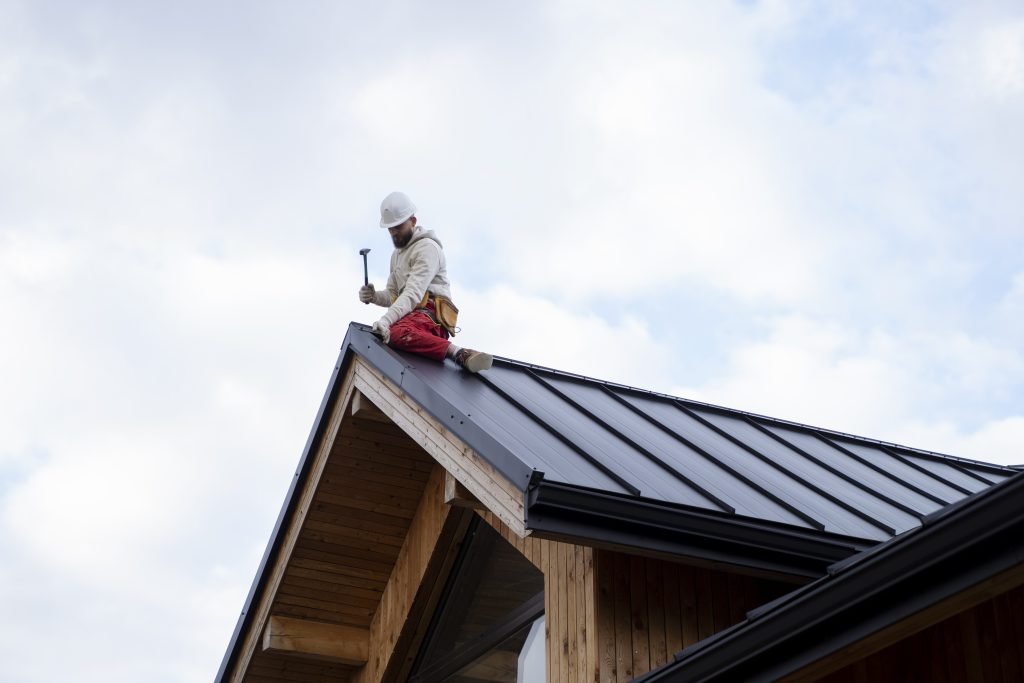
Choosing the appropriate roofing materials is one of the most critical decisions in DIY roof installation. In Florida, a wide range of materials is available, but the most commonly used options include asphalt shingles, metal roofing, and concrete or clay tiles. Each material has its own pros and cons regarding durability, weather resistance, aesthetics, and cost.
Asphalt shingles are a favorite among homeowners due to their affordability and ease of installation. They’re available in numerous styles and colors and can last approximately 15 to 30 years with proper maintenance. However, given Florida’s volatile weather conditions, higher-quality architectural shingles are recommended for increased durability against harsh elements.
Metal roofing may be a more costly option upfront, but it offers long-term advantages such as exceptional durability, energy efficiency, and resistance to extreme weather. Metal roofs typically last between 40 to 70 years, making them a worthwhile investment for homeowners looking to avoid frequent replacements.
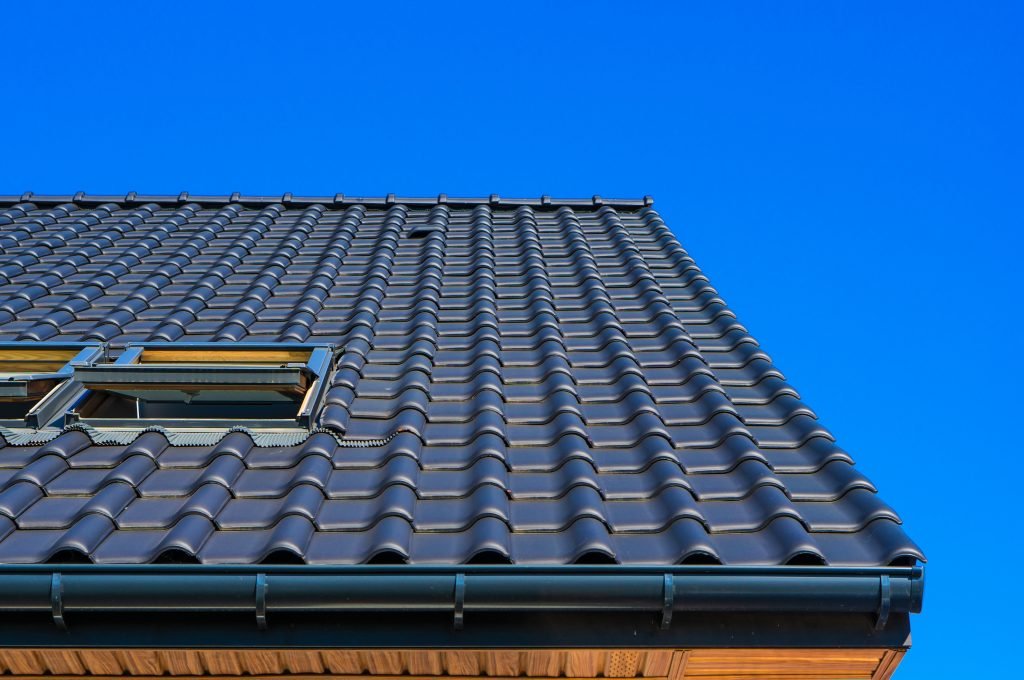
Clay and concrete tiles are also popular, particularly in coastal areas. These materials provide high durability and excellent insulation; however, they require a robust support structure due to their weight. Be sure to consult with West Florida Roofing before deciding on your roofing materials to understand the best options for your home and budget.
Assessing Your Roof’s Structure
Before you begin the actual roof installation, it’s crucial to assess your roof structure to ensure it can support the new roofing materials. Check for any signs of rot, sagging, or weakness. If the underlying decking is damaged, it will need to be repaired or replaced before laying your new roofing materials.
The pitch or slope of your roof is also important when selecting materials. Roof pitches can significantly influence drainage and installation techniques. A steeper pitch may require specialized materials and installation methods to ensure that roofing components are adequately secured.
Take note of any flashings, such as those around chimneys and vents, as these are critical in preventing leaks. If you find that your roof structure needs reinforcement, consult a contractor roofing at West Florida Roofing for expert guidance on the necessary enhancements.
Roof Installation Process: Step-by-Step
Once you’ve prepared adequately, it’s time to move on to the roof installation process. Here’s a step-by-step breakdown to guide you through the entire process effectively:
Remove Old Roofing Materials: If you’re replacing an existing roof, begin by tearing off the old materials. Use a roof shovel or pry bar for this task, ensuring you safely dispose of the debris. Install a dumpster down below to simplify the cleanup process.
Inspect and Repair the Roof Deck: Once the old roofing materials are removed, take the opportunity to inspect the roof deck for damage. If you encounter any issues, such as rot or deterioration, repair or replace the compromised sections before proceeding.
Install the Underlayment: A crucial step is the installation of the underlayment. This protective layer provides an added barrier against moisture penetration. Secure it evenly across the roof deck, ensuring proper alignment.
Install Flashing: Add flashings around areas such as chimneys, vents, and roof valleys. These components are essential in preventing leaks, and their installation must be executed carefully to ensure proper seals.
Lay the Roofing Materials: With a sturdy underlayment and flashing in place, you can finally start installing your chosen roofing materials. Begin at the eaves and work your way up, ensuring each row overlaps properly to prevent water infiltration.
Use Proper Nailing Techniques: Proper nail placement is essential for a secure roof. Consult the manufacturer’s guidelines to determine the correct spacing and depth for your nails, making sure not to overdrive or damage the shingles during this step.
Install Vents and Ridge Caps: Don’t forget to install ventilation components, such as ridge vents or gable-end vents, which help maintain airflow. Additionally, install ridge caps to complete the top of your roof, ensuring a weatherproof seal.
Perform a Final Inspection: Once the installation is complete, perform a thorough inspection to ensure everything is secure and aligned. This check is vital for spotting any issues before they evolve into larger problems.
Following this systematic approach will ensure that your DIY roof installation is completed successfully and securely.
Safety Precautions for DIY Roofing
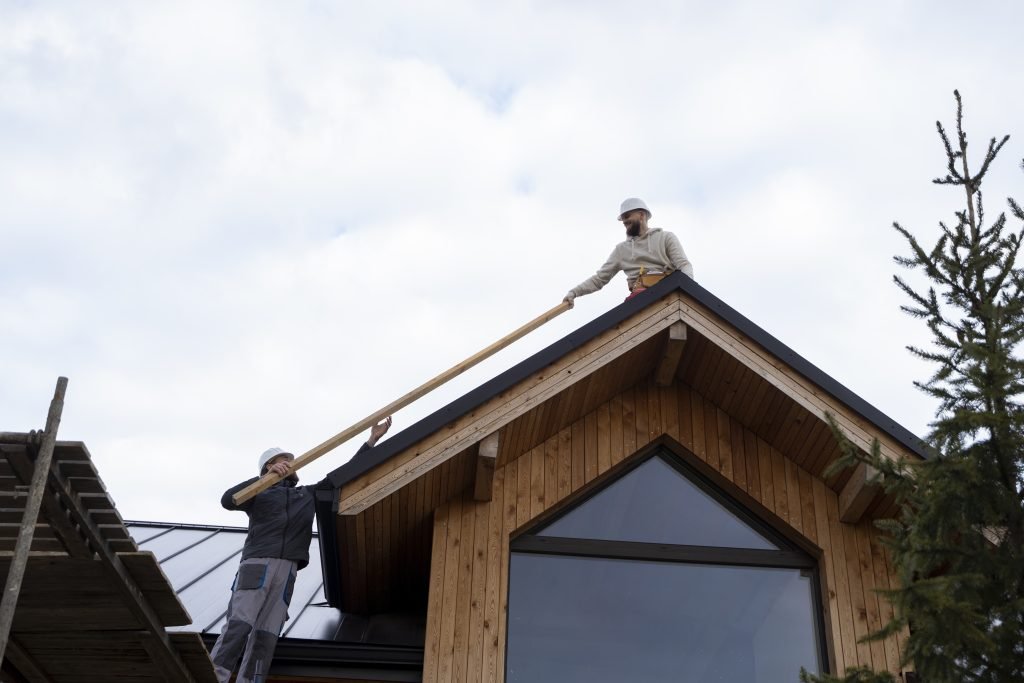
Safety should always be a top priority during your roof installation project. Roofing can be inherently dangerous, with risks of falling and sustaining injuries. Always be vigilant and proactive about roof safety measures while working on heights.
Use Proper Equipment: Invest in quality safety gear, such as harnesses, hard hats, and non-slip footwear. When climbing ladders, ensure that they are stable and set at the correct angle to prevent falls.
Work with a Partner: Roofing can be made safer by working with at least one partner. Having someone else present can provide assistance in case of an emergency and help stabilize your movement on ladders.
Take Weather Conditions into Account: Avoid working on a wet or windy day to mitigate slipping hazards. Plan your project around fair weather conditions to keep your work area as safe as possible.
Keep Work Areas Neat: Maintain a clean workspace to avoid tripping hazards. Clear any excess materials or tools from the roof to minimize risks and allow for safe movement.
Stay Focused and Alert: Distracted workers are more prone to accidents. Maintain focus while working, and ensure that no distractions are present when you’re navigating heights or using tools.
By following these safety precautions, you can substantially reduce risks and complete your DIY roof installation safely.
Hiring Professionals vs. Going DIY
While DIY roof installation can be an exciting project that saves money, it’s crucial to weigh the benefits against potential pitfalls. Engaging professionals like West Florida Roofing can provide peace of mind through experienced craftsmanship and adherence to local building codes.
Expertise in Installation: Professional roofers possess extensive knowledge and experience in roofing systems and installation techniques. They can identify potential issues during installation that a DIYer might overlook.
Quality Materials: Professional contractors often have access to better quality materials, typically at better prices due to their relationships with suppliers. Their experience allows them to select the most suitable materials specific to your roof’s needs.
Time and Efficiency: Hiring professionals can save you significant time and energy, allowing you to avoid the labor-intensive process of installation. Experienced roofing contractors can complete projects quickly and efficiently, often within a few days.
Safety and Compliance: Professional roofers follow strict safety protocols and have the necessary safety equipment. This ensures not only their safety but also that the work completed is compliant with local building codes, protecting your home in the long run.
Warranties for Work: Many professional roofing companies offer warranties on their workmanship and materials. This added layer of security means that homeowners can rest easy knowing that any potential issues will be addressed without additional costs.
Deciding between DIY and professional installation hinges on your skill level, the complexity of the roof, and your comfort working at heights. While DIYs can be rewarding, enlisting the help of West Florida Roofing for your roof installation can lead to a more durable and reliable result, ultimately saving you time, money, and headaches.
Conclusion
DIY roof installation is an achievable and rewarding project for homeowners willing to put in the work and planning. This comprehensive guide has covered the fundamental aspects of roof installation, from preparation and material selection to the installation process itself and safety precautions.
However, the importance of professional guidance and experience cannot be overstated. While many homeowners take on the challenge, working with experts like West Florida Roofing not only guarantees quality craftsmanship but also ensures that the job is completed safely and effectively. A well-installed roof protects your home, enhances its appearance, and contributes to the overall value of your property.
Whether you choose to tackle your roof installation project yourself or call on professionals, staying informed and prepared is key. Remember that your roof is an essential investment, and making the right decisions will provide you with a roofing system that withstands the test of time. If you are ever in doubt, don’t hesitate to reach out to West Florida Roofing for expert support and guidance tailored to your home’s specific needs.