When it comes to protecting your home, few components are as crucial as your roof. A properly installed roof can safeguard your property from the elements, enhance its curb appeal, and even increase its value. Whether you’re building a new home or replacing an old roof, understanding the roof installation process is key. This article will walk you through the entire roof installation process, offering expert insights into everything you need to consider to ensure a successful roofing project.
Why Proper Roof Installation is Essential
Roof installation is one of the most significant investments you will make in your home. A roof that is incorrectly installed can lead to leaks, energy inefficiency, and extensive repairs down the line. Proper installation ensures that your roof performs its primary function: providing protection from rain, snow, wind, and other environmental factors. Additionally, it plays a role in your home’s aesthetic appeal and energy efficiency.
The Benefits of a Well-Installed Roof
Protection from the Elements: A high-quality roof shields your home from harsh weather conditions, preventing water damage, ice dams, and leaks.
Energy Efficiency: A properly installed roof with high-grade insulation can regulate your home’s temperature, reducing heating and cooling costs.
Increased Property Value: A new, well-installed roof enhances the curb appeal of your home, boosting its resale value.
Longevity: Roofs that are professionally installed have a longer lifespan, minimizing the frequency of repairs or replacements.
Types of Roofs and Materials for Installation
Before you begin the installation process, it’s essential to understand the different types of roofing materials and which one is right for your home. Here are the most common roofing materials:
Asphalt Shingles: Asphalt shingles are the most popular roofing material in North America. They are affordable, durable, and come in various colors and styles to suit most home designs. Architectural asphalt shingles provide enhanced durability and aesthetic appeal.
Metal Roofing: Metal roofs are becoming increasingly popular due to their long lifespan, fire resistance, and ability to withstand extreme weather conditions. They can be made from aluminum, steel, copper, or zinc, offering various options for durability and style.
Wood Shingles and Shakes: Wooden shingles and shakes provide a natural, rustic look to homes. They are typically made from cedar, redwood, or pine, and are highly durable when maintained properly. However, they require regular maintenance to prevent mold and decay.
Clay and Concrete Tiles: Clay and concrete tiles are ideal for hot climates as they offer excellent insulation properties. They are incredibly durable and fire-resistant but tend to be heavier than other roofing materials, requiring additional support during installation.
Slate Roofing: Slate is one of the most durable and long-lasting roofing materials available. It is naturally fire-resistant and can last for over a century with proper care. However, slate is expensive and requires skilled installation.
Synthetic Roofing Materials: Synthetic materials such as synthetic slate or rubber shingles mimic the appearance of natural materials while offering more affordable pricing and easier installation. They also require less maintenance and offer good durability.
Roof Installation Process: Step-by-Step
Proper roof installation requires precise planning and execution. Here’s an overview of the general roof installation process, from preparation to completion.
Initial Inspection and Roof Assessment
Before any roofing work begins, a professional contractor will conduct a thorough inspection of your existing roof (if replacing) or your home structure (for new builds). This assessment identifies any underlying issues, such as damaged decking, ventilation problems, or insulation deficiencies, which could affect the installation process.
Removing the Old Roof
If you are replacing an old roof, the first step in the installation process is to remove the existing roofing materials. This involves stripping away shingles, tiles, or metal panels, along with the underlayment. The roof deck should be inspected for any signs of rot or damage before proceeding to the next stage.
Roof Decking and Underlayment Installation
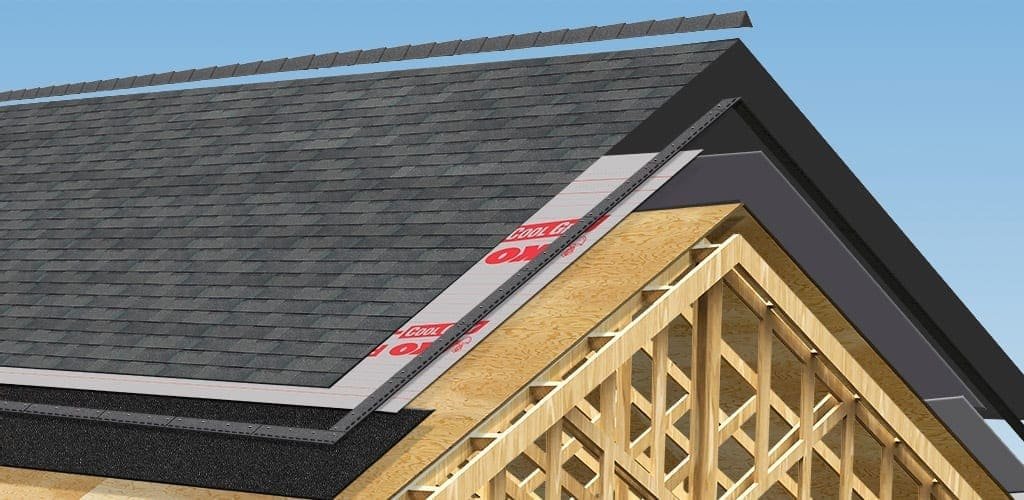
Once the old roof has been removed, the next step is to install the roof decking. This is the foundation layer of the roof, typically made of plywood or oriented strand board (OSB). Once the decking is securely in place, a waterproof underlayment is applied to protect the decking from moisture. The underlayment serves as an additional barrier between the roof and the elements, preventing leaks.
Installing the Roofing Material
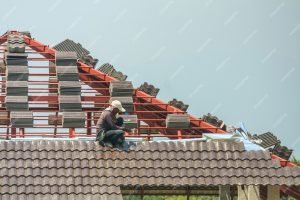
The next step is to install the primary roofing material. Whether you are using asphalt shingles, metal panels, or tiles, the roofing material is installed starting from the bottom of the roof and working upwards. The installation must be done carefully to ensure proper alignment, prevent gaps, and allow for optimal water drainage.
Installing Flashing and Ventilation
Flashing is a key component in roof installation. It is typically made of metal and is used around areas like chimneys, vents, and skylights to prevent water infiltration. Proper flashing installation is crucial to avoid water pooling in vulnerable areas.
Additionally, adequate roof ventilation is essential for preventing moisture buildup, reducing heat buildup in the attic, and ensuring proper airflow. Roof vents, ridge vents, or soffit vents are installed to allow for effective ventilation.
Final Inspection and Cleanup
After the roofing material has been installed, a final inspection is conducted to ensure the installation meets all safety standards and manufacturer specifications. The contractor will check for proper alignment, secure fastening, and adequate waterproofing. Any debris from the installation process will be cleaned up, and the area around your home will be thoroughly cleared.
Choosing the Right Roofing Contractor
Selecting the right roofing contractor is critical to ensuring the success of your roof installation. Here are some tips to help you find a qualified professional:
Research Local Contractors: Look for a roofing contractor with a good reputation in your local area. Read online reviews and ask for recommendations from friends and neighbors.
Verify Credentials: Ensure the contractor is licensed, insured, and has a bond to protect your home during the project.
Get Multiple Quotes: Always obtain quotes from several contractors to compare pricing and services. Beware of unusually low bids, as they may indicate subpar materials or workmanship.
Check for Warranties: A reputable contractor should offer warranties for both materials and labor. Ensure you understand the terms and coverage..
Conclusion
Roof installation is a significant investment, but when done correctly, it can provide lasting protection, enhance the aesthetic of your home, and save you money in the long run. By understanding the different materials available, the installation process, and the importance of choosing the right contractor, you can make informed decisions that will result in a high-quality roof that stands the test of time.